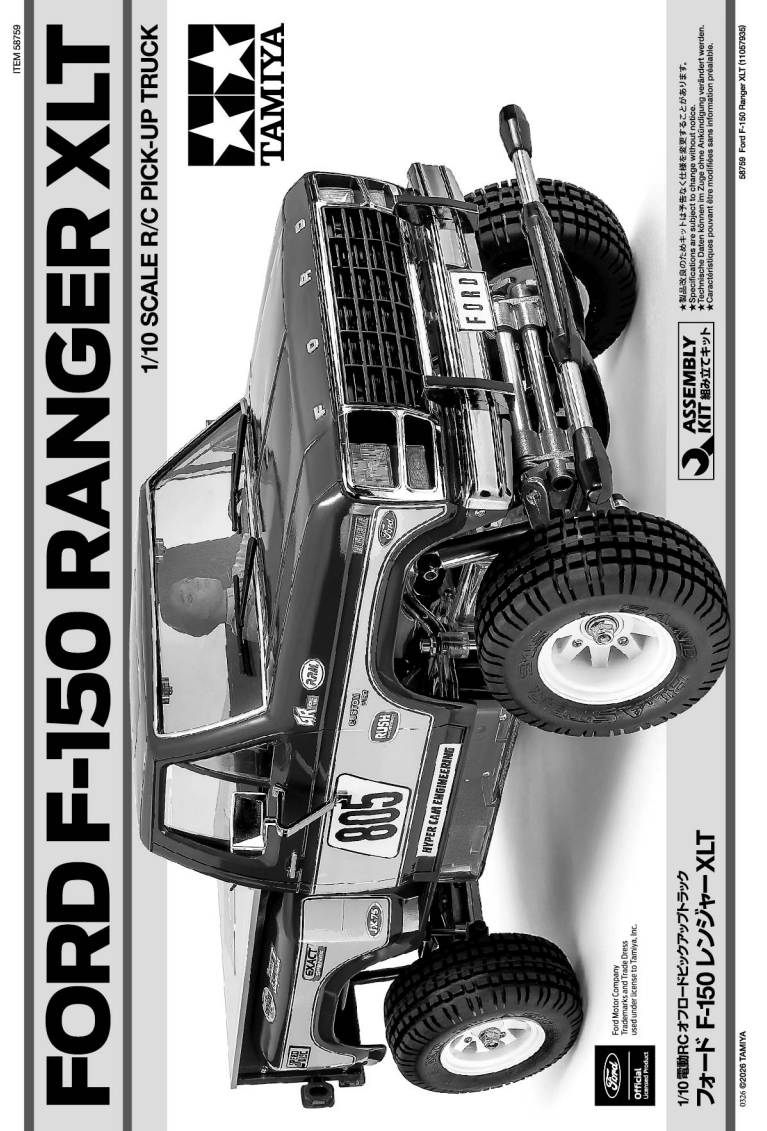
Click on the image to open/download PDF manual
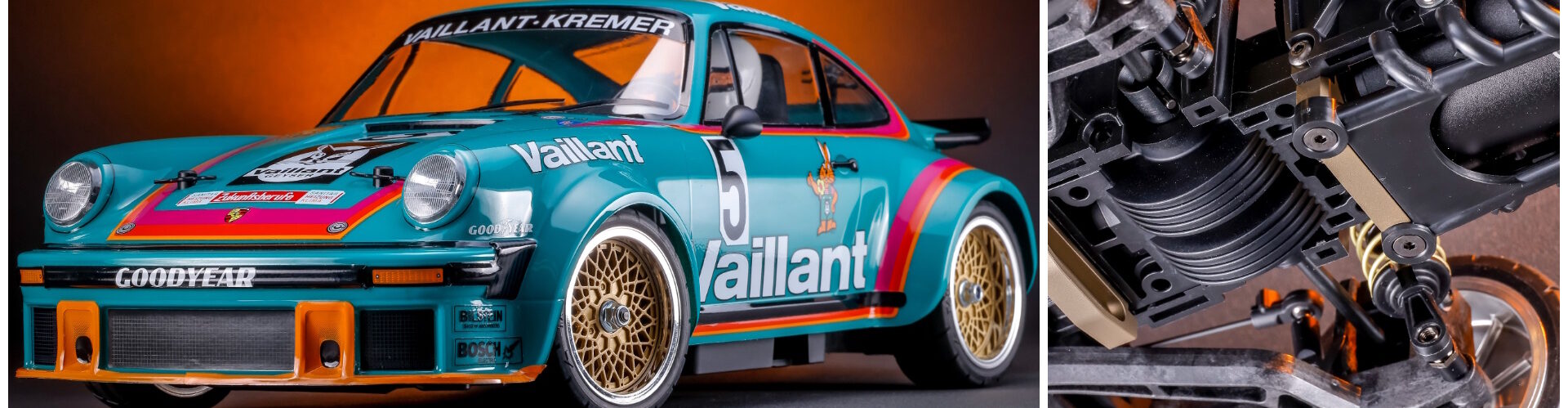
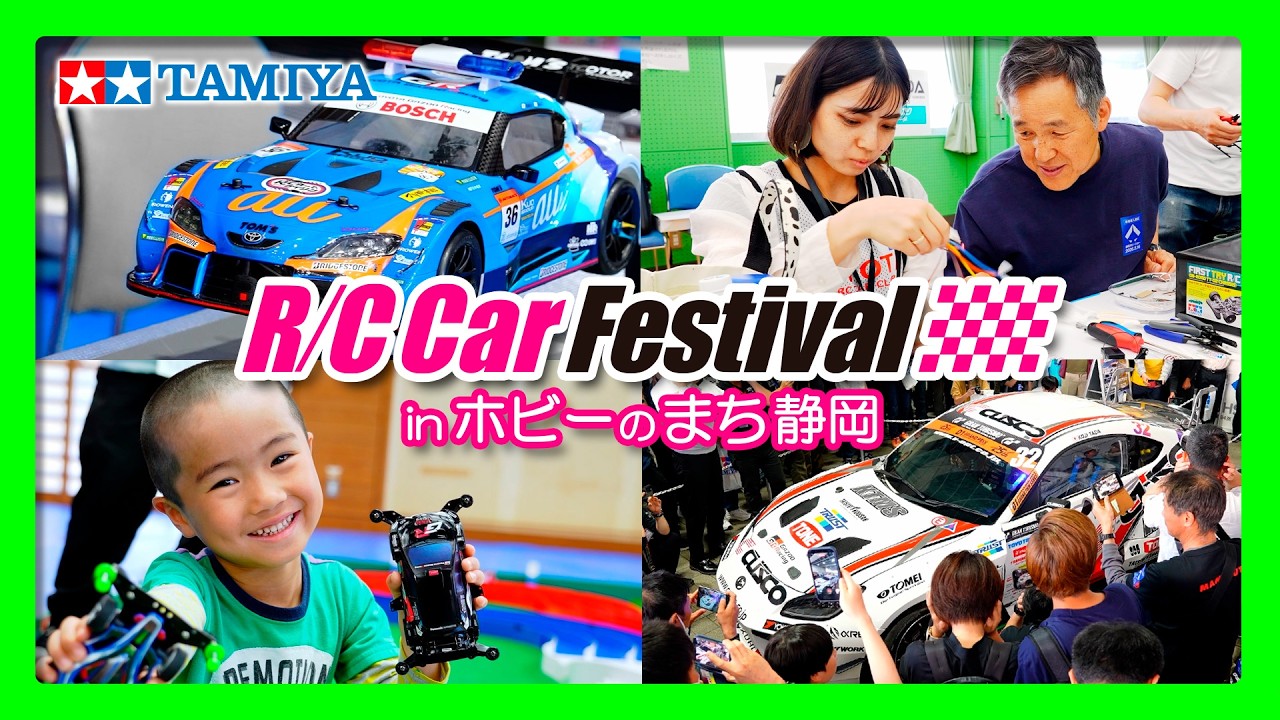
From May 15th (Fri) to 17th (Sun), 2026, the “RC Car Festival in Hobby City Shizuoka” was held at the Shizuoka City Southern Gymnasium, next to Twin Messe Shizuoka. Many people attended, and the three days were filled with smiles and excitement as they enjoyed RC car experiences, workshops, and competitions.
Event Contents:
RC Car Experience Run “Try!! Toyota RC”
RC Car Competition “Toyota Challenge Cup”
RC Car Workshop “Try!! Toyota RC School”
Mini 4WD Workshop
Experience Booths by Automotive-related Companies and Organizations (RC Operation, Car Mechanism Experience, etc.)
R/C Models
47531 1/10 Scale R/C Nissan R91CP
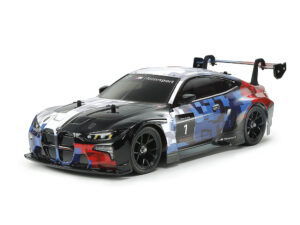
58751 1/10 Scale R/C BMW M4 GT3 Evo (TT-02 chassis)
58755 1/12 Scale R/c Lunch Box Evo.
Static Models
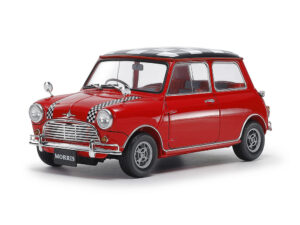
24039 1/24 Scale Morris Mini Cooper 1275s Mk.I
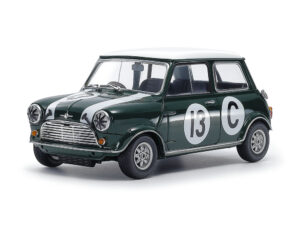
24130 1/24 Scale Morris Mini Cooper Racing
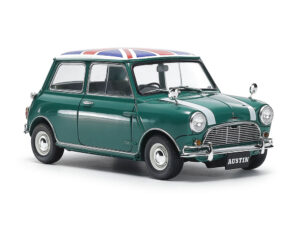
24235 1/24 Scale Austin Mini Cooper 1275s Mk.i
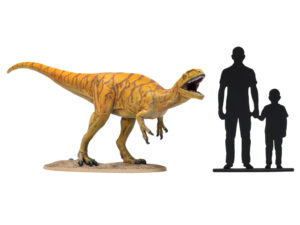
28501 1/35 Scale Fukuiraptor
Mini 4WD
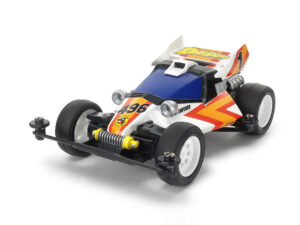
18025 Dash-1 Emperor (Type 3 chassis)
95703 Zenperor 3 Polycarbonate Body Special (V chassis) Racing Mini 4WD 40th Anniversary
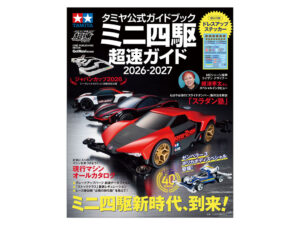
63809 TAMIYA Official Mini 4wd Guide 2026-2027
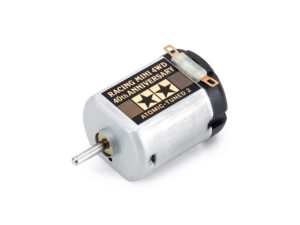
95188 Racing Mini 4wd 40th Anniversary Atomic-tuned 2 Motor
95189 Racing Mini 4wd 40th Anniversary Atomic-tuned 2 Motor Pro
95233 Black Plated Screw Set

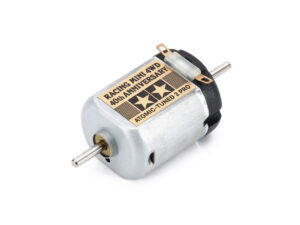
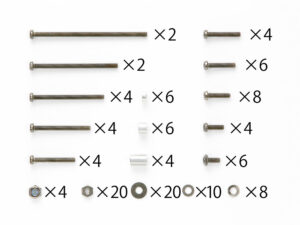
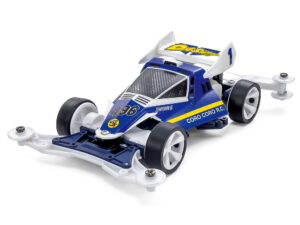
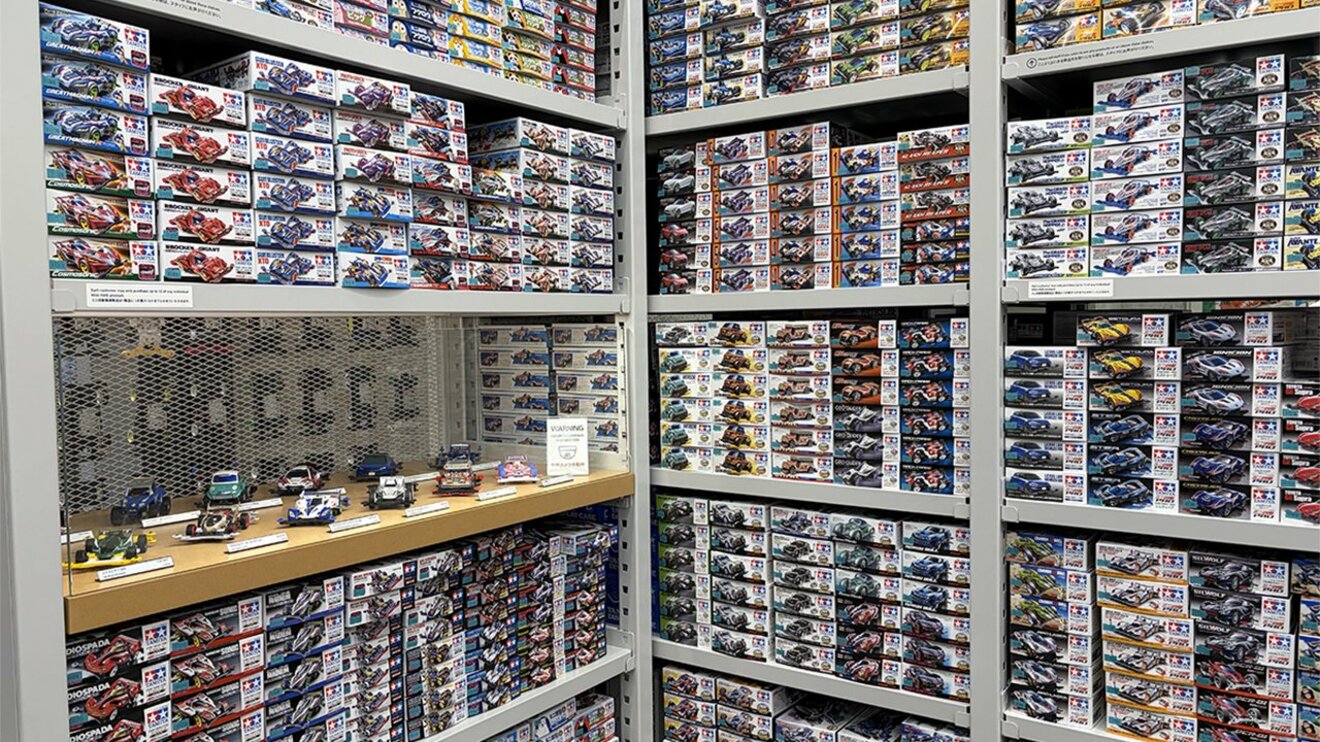
TAMIYA PLAMODEL FACTORY TOKYO is lined with Mini 4WD cars (Photo courtesy of TAMIYA PLAMODEL FACTORY TOKYO / Photography by Editorial Department)
Mini 4WD cars, which once captivated boys across Japan, are now attracting attention again in the Reiwa era.
“TAMIYA’s flagship facility, ‘TAMIYA PLAMODEL FACTORY TOKYO,’ located in Shinbashi, Tokyo, which had its grand opening in 2024, is attracting a large number of people, including office workers on their way home from work,” says a hobby magazine reporter.
Mini 4WDs are, as everyone knows, model cars powered by batteries and motors. Since their creation in 1982, they have sold over 190 million units and are a popular product from their manufacturer, TAMIYA. There are currently more than 200 different types of Mini 4WDs and parts available.
In fact, the Mini 4WD has experienced several booms in popularity over the 44 years since its release.
“The first boom was the ‘Racer Mini 4WD’ that appeared in the late 1980s. TAMIYA’s RC cars, with the ‘Jr.’ designation, became popular, and the manga series based on them, ‘Radio Control Boy’ and ‘Dash! Yonkuro’ (both serialized), became popular and spearheaded the boom. Then, in 1994, the second boom arrived when ‘Bakusou Kyoudai Let’s & Go!!’ began serialization in ‘CoroCoro Comic’. After that, the third boom came in 2012 when the ‘Japan Cup’, a TAMIYA-sanctioned competition to determine the best Mini 4WD in Japan, was revived.” (Ibid.)
And the current boom, which began a few years ago, is said to be the fourth boom. At this point, it feels less like a boom and more like it has taken root as a culture, but why is it gaining popularity again?
To find out the reason, this website interviewed TAMIYA’s headquarters and facilities and spoke with them.
“A major factor in the resurgence of the boom is the entry of the adult generation. The reason these adults started playing with Mini 4WD again was the revival of the Japan Cup.”
This is according to Norihisa Mitsuzono, manager of the Sales Planning Section in TAMIYA’s Sales Department.
The Japan Cup, which was temporarily suspended in 1999, was revived in 2012 to coincide with the 30th anniversary of the release of Mini 4WD, after a 13-year hiatus. In fact, at last year’s Japan Cup, more than 70% of the participants were adults, mainly in their 30s to 50s.
Mr. Mitsuzono recalls the time of the revival as follows:
“The Japan Cup used to be a tournament only for junior high school students and younger, but when it was revived, adults were also allowed to participate. I think that the kids who admired it back then have grown up, and that admiration has suddenly been rekindled.”
The children who grew up during the first and second booms have now grown up and returned. That was the third boom, but the current fourth boom is a combination of that and the tailwinds unique to the Reiwa era.
Kentaro Matsumoto, a staff member at TAMIYA PLAMODEL FACTORY TOKYO in Shinbashi, says this:
“Social media and YouTube have a big influence. Modification examples and how to use parts are being shared on X and in videos, and some people are getting interested again after seeing them. The generation that used to play with Mini 4WDs has had their passion for Mini 4WDs rekindled since the Japan Cup, and they are uploading their machines to social media. Then adults who see these become aware of the current boom and it seems to be inspiring them to start again. On Fridays, we get office workers coming after work, and on Saturdays and Sundays, the room with the track can get full with families.”
The social media activity of the adults who supported the third boom has now influenced many adults who are now parents themselves, and these people have started sharing the fun of Mini 4WD with their own children—this may be what is leading to its current popularity.
■ ‘Hot Shot Jr.’ is still around!
TAMIYA PLAMODEL FACTORY TOKYO is one of the hubs for Mini 4WD enthusiasts. This hobby facility stocks approximately 6,000 items, including Mini 4WD cars and related parts, and even has a track where you can actually race your machines. As a result, it has become a place where people who played with Mini 4WDs in the past can rediscover their passion for the sport.
In fact, when the reporter visited the facility on Friday evening, there were many users there, including men in suits who appeared to be on their way home from work, and families with children.
“We often have old fans who just drop by the facility and, upon seeing the Mini 4WD cars lined up, say to the staff, ‘How nostalgic!’ Or, while their children are looking at the latest machines, a father might see the name ‘Hot Shot Jr.,’ which has been around for a long time, and say, ‘They still have that!’ and pick it up. By the way, the design and specifications are different from the Hot Shot Jr. of that time,” (Mr. Matsumoto, quoted above).
Many people also expressed nostalgia.
“We often get questions like, ‘Do you have the Emperor (the machine used by Hinomaru Shikuro, the protagonist of “Dash! Yonkuro”)?’ It’s a special machine for those who read CoroCoro Comic back then. Different generations have different Mini 4WD machines that they feel attached to, and the manga they read as children has a big influence on them,” (ibid.).
A machine that parents instinctively reach for can seem like a fresh and exciting creation to a child. Mini 4WD is a hobby that can be enjoyed across generations.
However, today’s Mini 4WD is no longer just a nostalgic past pastime. It has now become a sophisticated hobby that adults can seriously enjoy, requiring knowledge of processing techniques and setting up the cars. Furthermore, the machines themselves have evolved, and the way they are driven and modified has become more profound than ever before.
“The biggest change is the machine’s structure. The chassis (the base of the machine) is different. Previously, rear motors were the norm, but in 2005, the ‘MS chassis’ appeared, which places the motor in the center of the body. The weight is in the center, providing good balance, and now it’s important to consider how to combine not only the rollers, but also the weights and brakes,” (Mr. Mitsuzono, quoted above).
Many users are drawn to the intricacies of these modifications.
In fact, we spoke to a man in his 40s who was adjusting his machine in the section of the facility that has a race track, and who said he was on his way home from work.
“I started playing with Mini 4WD again after my child started reading ‘CoroCoro Comic,’ but before I knew it, I was more hooked than my child. The appeal of it as an adult is that you can spend money and time on it. You can try out parts you couldn’t afford back then, and it’s fun to modify them at home and come up with your own ideas. I spend about 20,000 to 30,000 yen on modifications, but it’s an easy hobby to stick with as an adult.”
Also, another user,
“There’s always someone here. The biggest thing is that it’s a place where you can meet people who share the same hobby. If you build a Mini 4WD properly, it will run properly. If you build it carefully, it will be fast. So, looking at other people’s machines is educational, and it makes me want to improve my own as well.”
Why does Mini 4WD continue to attract people for so long? Mr. Mitsuzono explains its appeal as follows:
“I think the main reason is that there’s no ‘right answer’ no matter how far you go. You build it, run it, think about it again, and improve it. The fun lies in that repetition.”
The past’s games are drawing adults back while simultaneously passing on their appeal to the next generation. And now, the children who were hooked during this fourth boom have grown up, and another boom may be on the horizon… This is how Mini 4WD may continue to be passed down through generations.
■ Nostalgic machines lined up at TAMIYA’s flagship store in Shinbashi
A collection of nostalgic machines lined up at ‘TAMIYA PLAMODEL FACTORY TOKYO’.
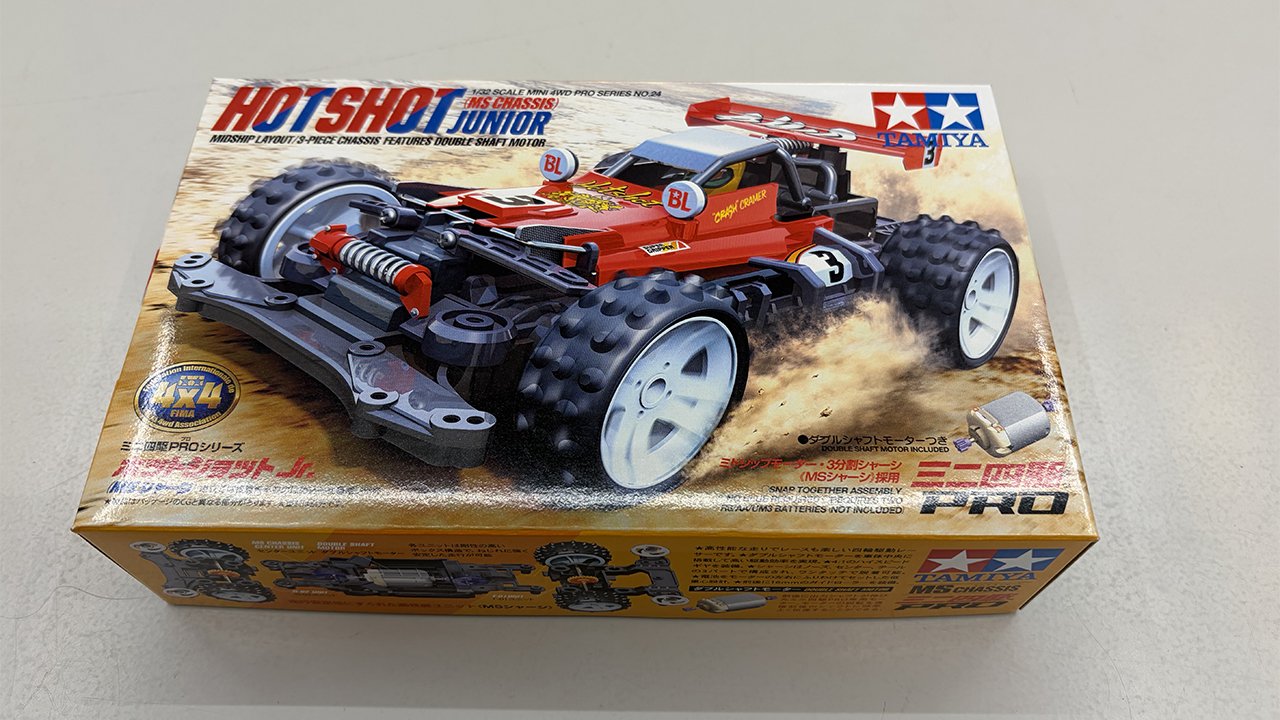
‘Hot Shot Jr.’ has now been revived with a completely redesigned format.
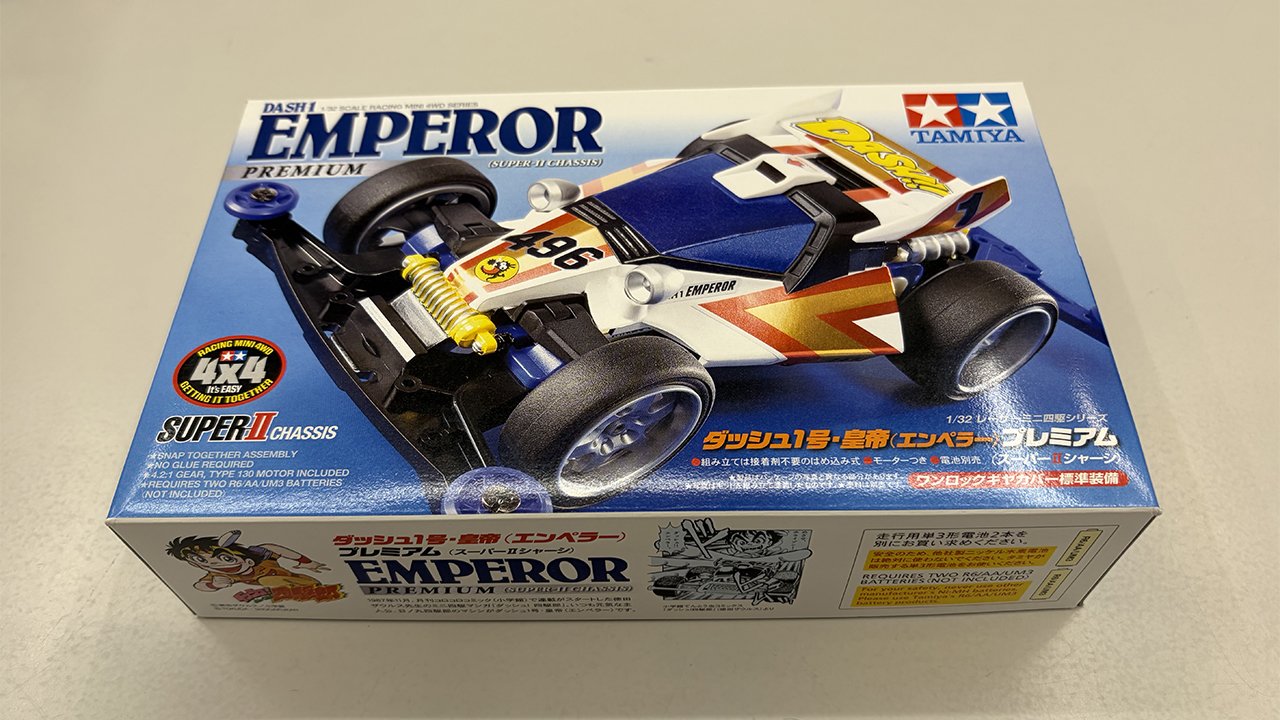
“Dash 1 Emperor” from the anime series “Dash! Yonkuro” (ibid.)
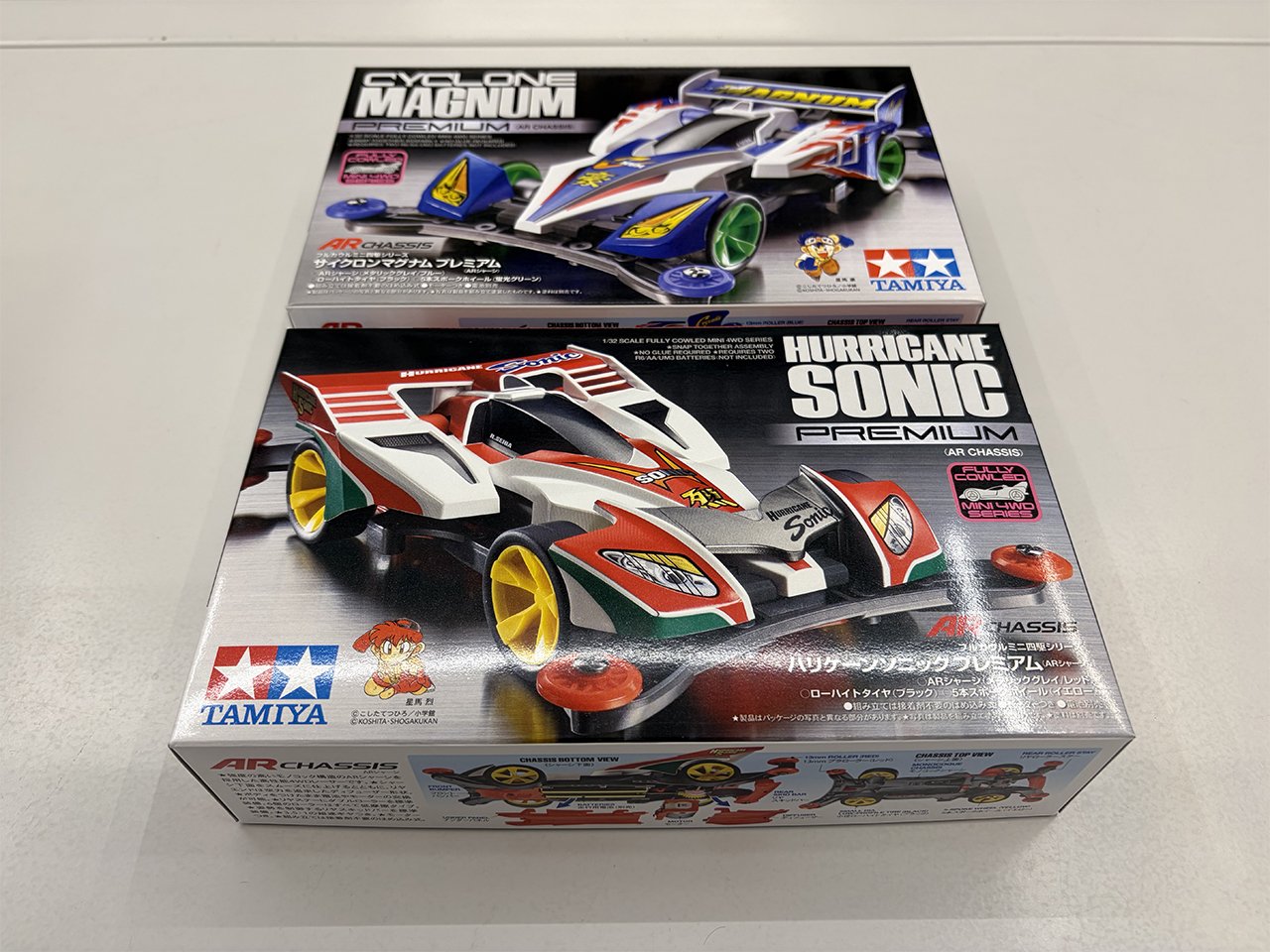
The “Cyclone Magnum” and “Hurricane Sonic” from the anime series “Bakusou Kyoudai Let’s & Go!!” (ibid.)
Source: Pinsba NEWS Editorial Department
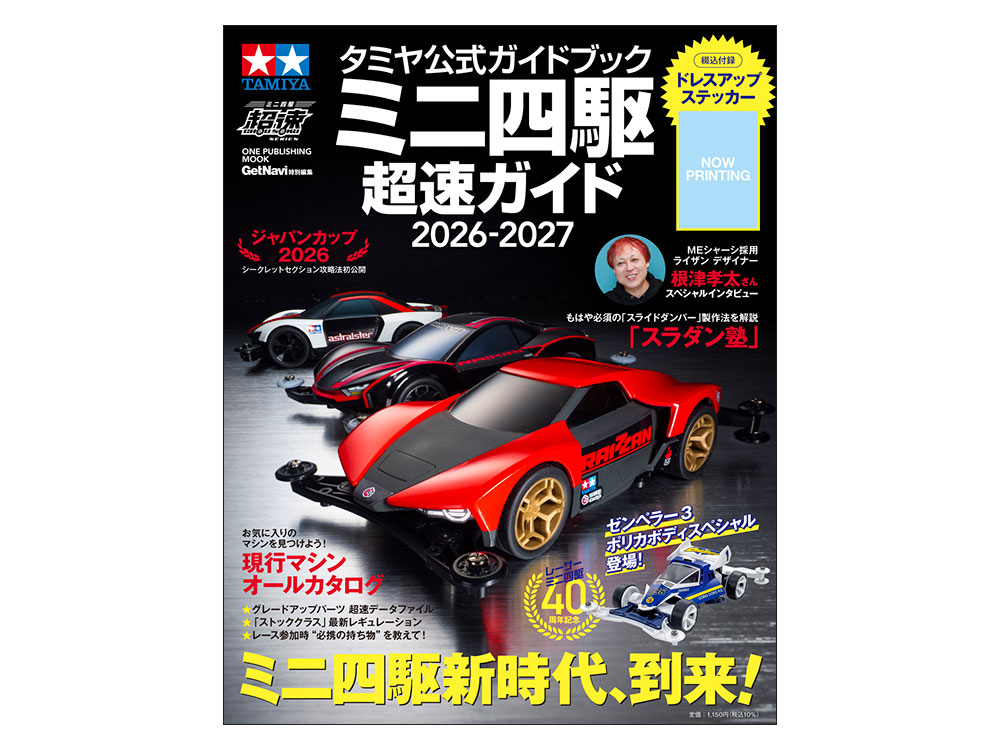
The ultimate speed guide that condenses the fun of Mini 4WD
The “Mini 4WD Speed Guide,” which has become a bible for Mini 4WD enthusiasts, is on sale again this year!
The full details of the Japan Cup 2026 official circuit, “UPBEAT MAELSTROM CIRCUIT 2026,” are revealed, along with detailed explanations and strategies. It also includes a complete catalog for “choosing” a machine, as well as know-how for “building” a machine that will win races. This time, it features a method for making an original “slide damper”! Furthermore, it is packed with information to help you fully “play” with Mini 4WD, including a guide to participating in races, the popular stock class, and essential items for racing.
Contents
・Powered by FDK Mini 4WD Japan Cup 2026 Drive on Yokohama Tires Conquer the UPBEAT MAELSTROM CIRCUIT 2026!
・Explanation of the newly introduced ME chassis & special interview with body designer Kota Nezu
・40th anniversary of Racer Mini 4WD! Appearing with the Zemperer 3 polycarbonate body! !
・Latest regulations for the Stock class
・Grade-up parts Super Speed Data File 2026
・Essential racing item? Slide damper making method “Slider Damper School”
・Calling all racers who want to be featured in the Super Speed Guide! “Welcome, Super Speed!”
・A guide to participating in the Mini 4WD Japan Cup
・Try running in the Mini 4WD Station Challenge!
・Mini 4WD Japan Cup 2025 & Mini 4WD Grand Prix 2026 Champion Machine Gallery
・What are the “essential items” to bring when participating in a race?
○ Format and number of pages: A4 wide, 102 pages
○ Appendix: Dress-up stickers
○ Publisher: One Publishing
○ Author: GetNavi Editorial Department
R/C Models
58755 1/12 Scale R/C Lunch Box Evo.
Static Models
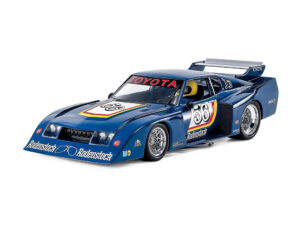
24377 1/24 Scale Toyota Celica LB Turbo Gr.5
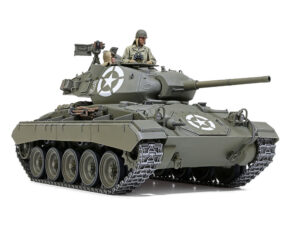
35391 1/35 Scale U.S. Light Tank M24 Chaffee European Theater
61128 1/48 Scale Messerschmitt Bf109 G-6 Late Production
Mini 4WD
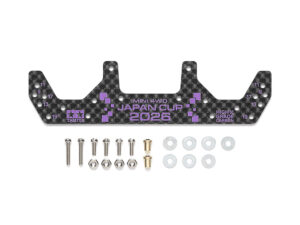
95186 HG Carbon Wide Front Plate (1.5mm) J-Cup 2026
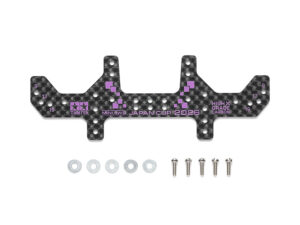
95187 HG Carbon Rear Multi Roller Setting Stay (1.5mm) J-Cup 2026
Tools & Paints
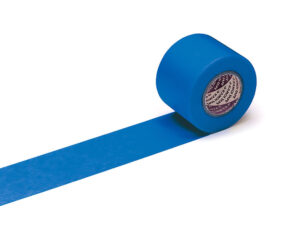
87240 TAMIYA Masking Tape 40mm Blue
Construction & Craft
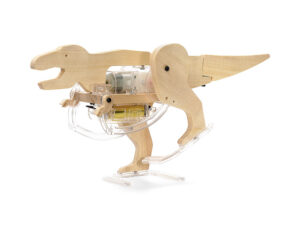
70264 Walking Tyrannosaurus
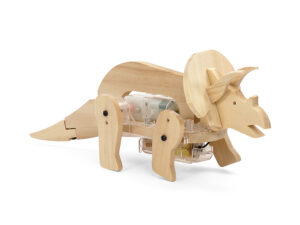
70265 Walking Triceratops
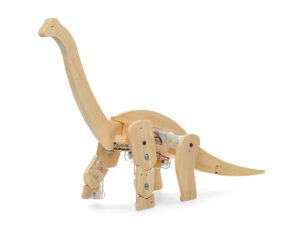
70266 Walking Brachiosaurus